Utica, Michigan · Water damage referrals
Salt River Restoration is a specialist research and referral service for water damage restoration in Utica. One call connects you with an independent local pro. No charge to call, and no obligation until you approve a written estimate.
Salt River Restoration is a free referral service. We connect you with an independent local pro; we do not perform the work ourselves.
This line is operated from the United States. You reach a US based operator, not a call center overseas.
Serving Utica ZIP codes 48315, 48316, 48317, across the Salt River service area and the neighborhoods named below.
Water damage pricing near Utica is a source accounting exercise. The visible water is the receipt, not the bill: the scope is set by which water it was, clean supply, storm backup, or groundwater, because each takes a different drying scope and a different claim path. A quote that skips the source read is pricing the puddle, and the puddle is the cheapest part of the job. In Utica the deciding local variable is this: low lake plain groundwater and storm surges load sumps and push sewer backups into finished basements, aging subdivision supply lines fail above finished lower levels, and freeze cycles split pipes in the shallow walls of the ranch stock. This 2027 guide is compiled from the latest published national figures and local data for the covered ZIP codes 48315, 48316, 48317.
Nothing. The call and the referral are free, and there is no obligation to hire anyone.
Only after the pro has seen the job and you have approved a written estimate. Approving the price is always your decision.
An independent local contractor who takes this kind of work in Utica. You deal with them directly, and you can verify licensing and insurance before hiring.
No. This service is run by a US based routing team. Real people here route your call to a local pro.
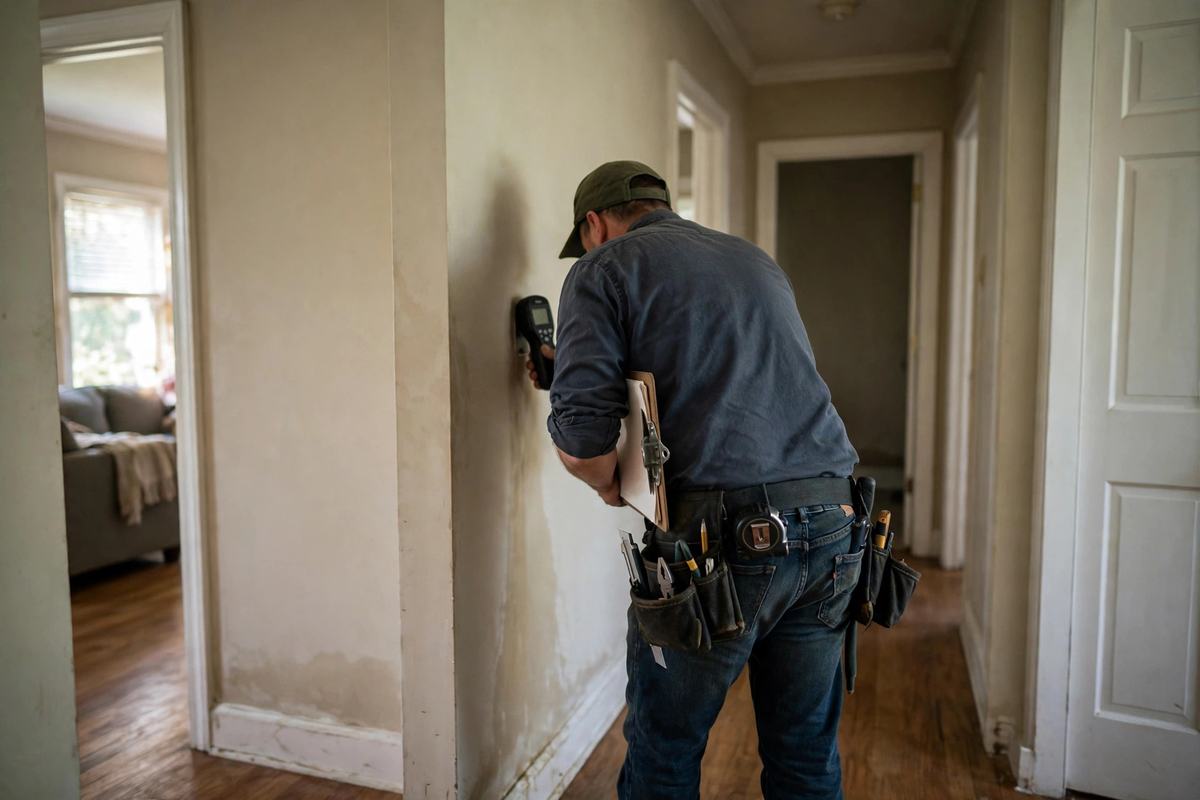
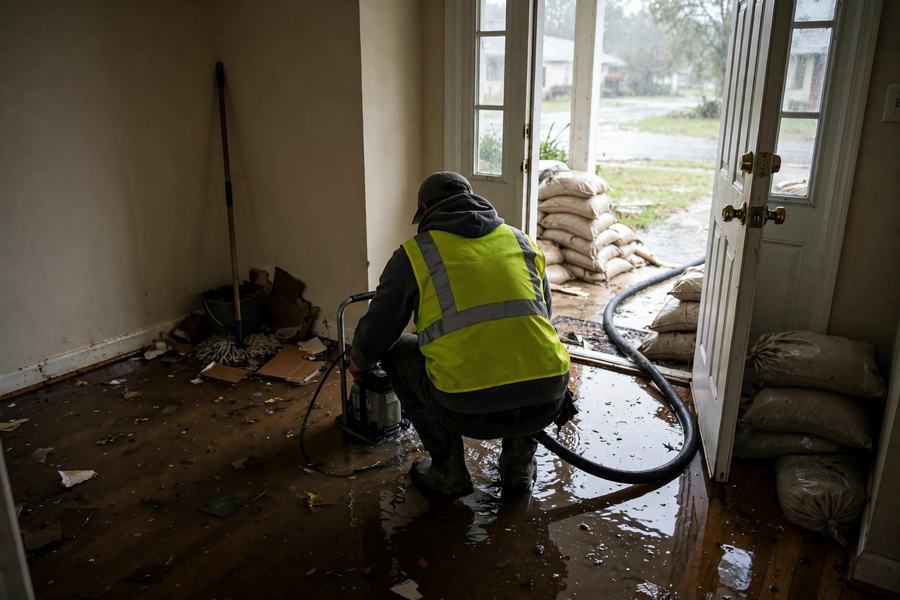
Emergency water removal near Utica starts with the source question, because extraction for a burst line and extraction after a sewer backup are different jobs wearing the same name. The crew reads the source, photographs the waterline, and only then starts pulling water.
Call PLACEHOLDER
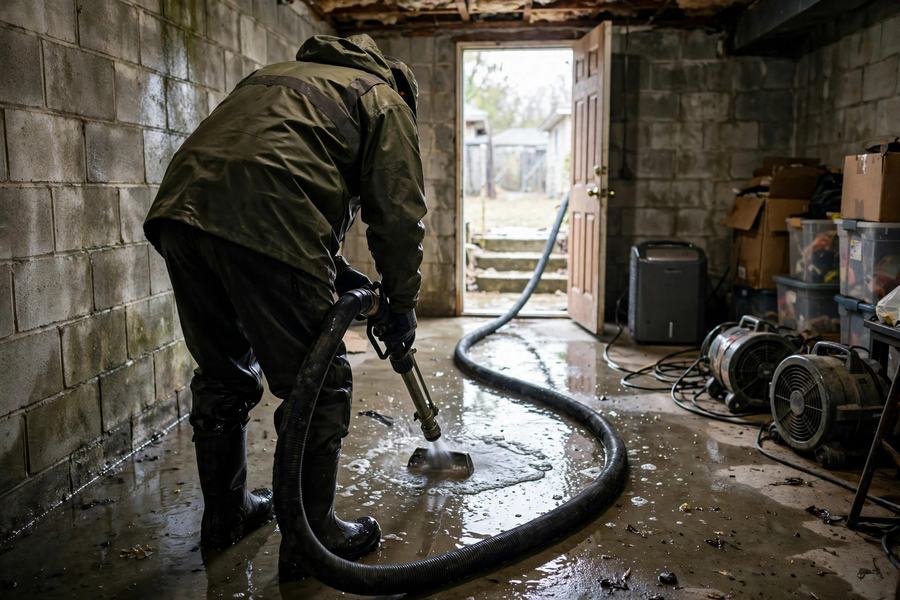
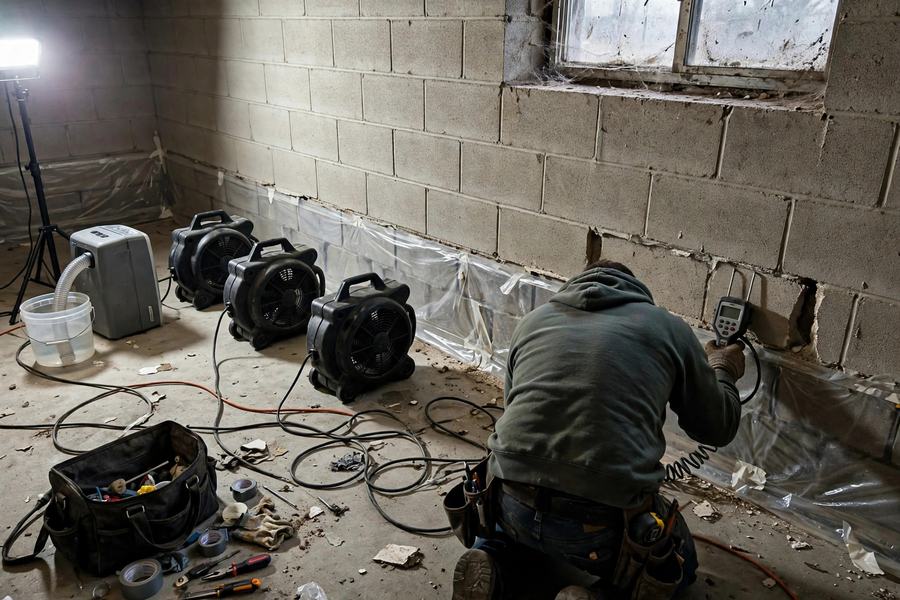
Basement water removal in the subdivision stock is a finished space problem: carpet, pad, baseboard, and the bottom of every wall in the water path. The scope names what dries in place and what comes out, in writing, before the fans start.
Call PLACEHOLDER
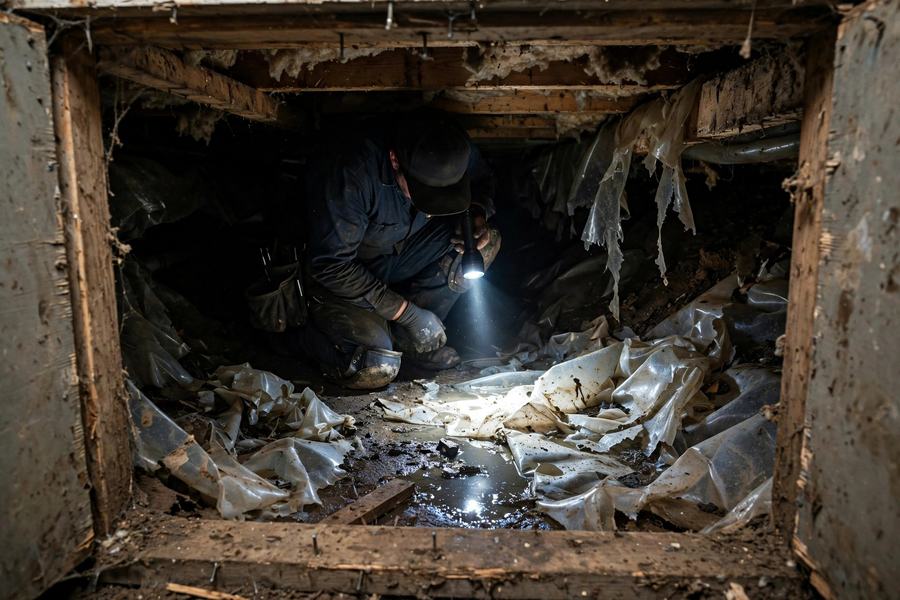
Crawl space water damage here follows the ground: low lake plain lots hold water under homes long after the yard looks dry. The read covers standing water, joist condition, and the vapor barrier state together.
Call PLACEHOLDER
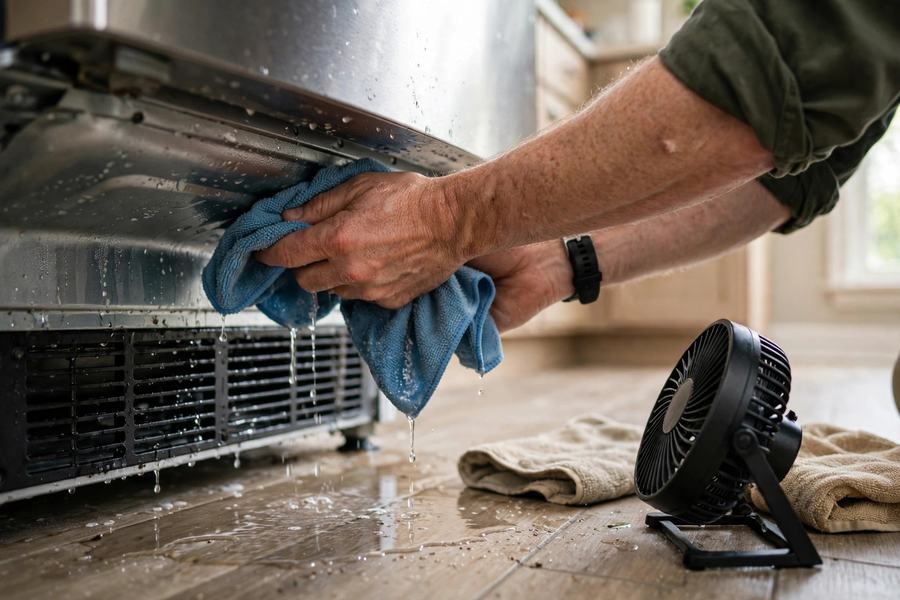
Appliance leak cleanup turns on how long the slow leak ran before it showed. A dishwasher or washer line can wet a floor system for weeks; the moisture map, not the puddle, sets the removal line.
Call PLACEHOLDER
Water damage restoration is the full arc in one scope: source repair coordination, extraction, removal of what cannot dry, verified drying, and the build back list. Each stage is documented so the next trade and the claim file read the same record.
Call PLACEHOLDER
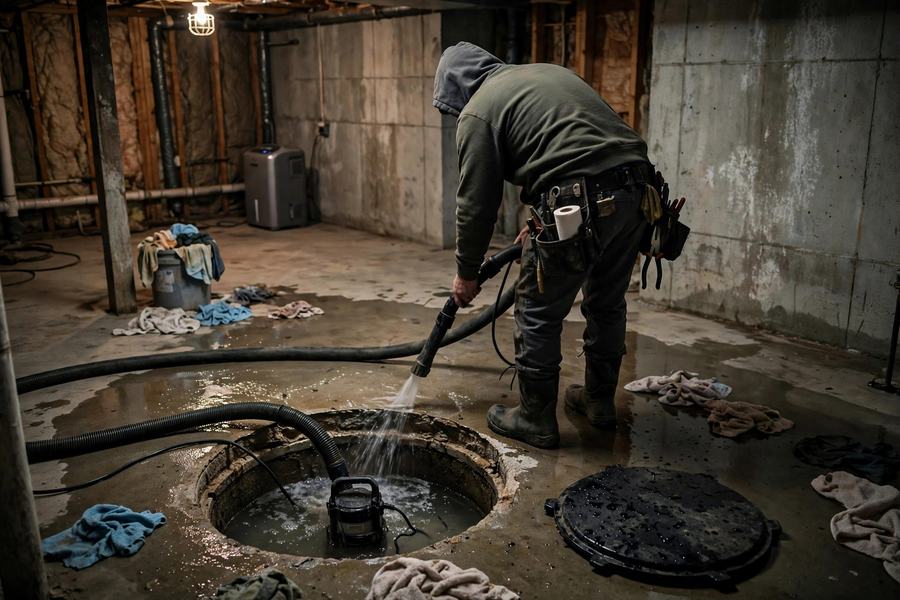
Sump pump failure cleanup in this footprint is a storm story: the pit filled, the pump or its power failed, and the finished basement took the water. Cleanup includes the system read, because a new pump on a failed discharge line repeats the event.
Call PLACEHOLDER
Flood cleanup after long rain weeks is groundwater and surface water work: sanitation rules for anything the water touched outside, and a slower drying read for walls that wicked water above the visible line.
Call PLACEHOLDER
Burst pipe cleanup follows the freeze map in winter: the split is usually at an outside wall or an unheated run, and the wet footprint follows the pipe path through the house. The failed section is saved for the claim file.
Call PLACEHOLDER
Sewage cleanup is a removal job under sanitation rules, not a drying job. Porous material in the water path comes out, surfaces are treated in sequence, and the backup source, a valve, a line, or a city event, is named for the record.
Call PLACEHOLDER
Water heater leak cleanup is paced by the tank: a slow base leak wets the stand and the floor around it for weeks, while a rupture is a same day flood. The scope separates the plumbing replacement from the drying, in writing.
Call PLACEHOLDERDescribe what you are seeing. One free call connects you with an independent local pro who can assess it in person.
PLACEHOLDERIn Utica, the 2027 price of a water damage job is set by sump and sewer backup load, the finished space below the leak, and how long water ran before the shutoff, checked against the latest published national figures.
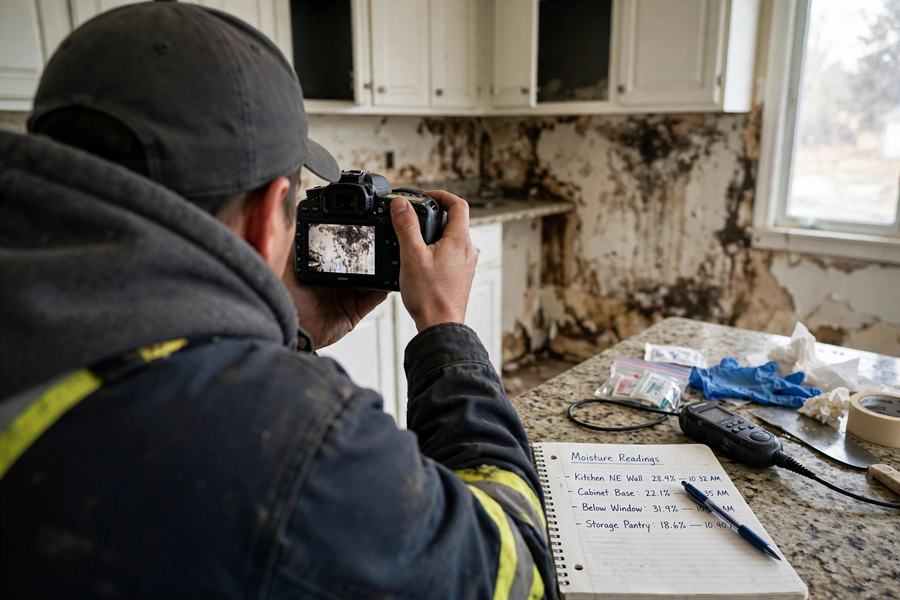
See cost ranges and how insurance paysSudden and accidental water damage (a burst pipe, a failed water heater) is commonly covered by homeowners policies in Michigan; slow leaks and floodwater from outside usually are not, and flood damage needs a separate flood policy. We document moisture readings and photos either way, which is what an adjuster asks for first.
Within 24 hours is the standard advice, and sooner is better. Drywall wicks water upward about an inch per hour at first, and mold can colonize damp drywall and dust in 24-48 hours in warm conditions. Extraction the same day changes the whole job.
It depends mostly on how much material got wet, how long it sat, and whether contaminated water was involved. Small single-room extraction and drying jobs run far less than multi-room losses with demolition. The connecting contractor gives you a written estimate after seeing the damage - we never quote a job price over the phone.
For a small, clean-water spill caught in the first hours, yes, often. Where DIY drying fails is wall cavities, under flooring, and below grade: surfaces feel dry while framing stays wet. If water reached walls, flooring seams, or a basement, metered drying is what prevents the second, mold-shaped bill.
Mold needs moisture, food (drywall paper, dust, wood), and time. Fast extraction and verified drying remove the moisture leg, which is why speed matters more than any spray. If a loss sat for days before drying, the contractor will check cavities and can tell you plainly what they find.
Most residential losses take 3-5 days of equipment time. Hardwood, plaster, and below-grade spaces run longer; carpet over slab is faster. Daily moisture readings, not the calendar, decide when equipment comes out.
The contractor we connect you with documents the loss with photos and moisture logs in the format adjusters use, and most bill insurers directly on covered claims. You stay in control: no work beyond the emergency mitigation happens without your written approval.
Stop the source if you safely can (main shutoff, appliance valve), keep clear of water near outlets or panels, move what you can off wet floors, and take a few phone photos before anything is moved - insurers love timestamps. Then call, and extraction can start while the paperwork catches up.
Why Utica Homes Dry Slower Than They Look: If water came up through the floor drain during a storm, treat it as a backup read, not a...
Standing Water Playbook for Utica Homeowners: If the sump pit is full and the pump is silent, that is the emergency: the water in the...
This service runs with US based staff. We connect you with independent local contractors and we stay accountable for that connection.
Prefer to talk later? Leave your details and an independent local pro will call you back. No charge to you, no obligation.
Salt River Restoration is a free referral service. Submitting this form connects you with independent local contractors who provide the work.
Calls are answered 24/7. One call connects you with an independent local pro.
PLACEHOLDER